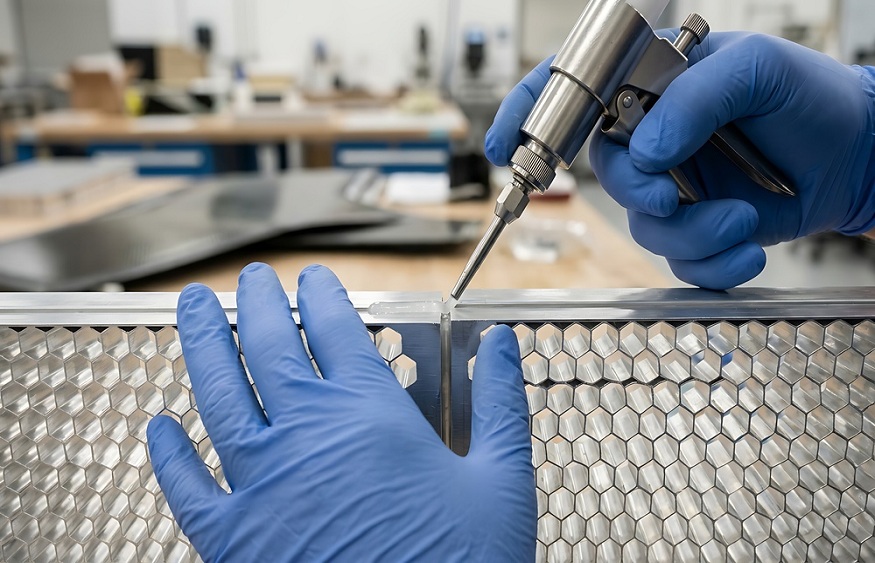

Many materials fail in real-world application, despite initial lab promise. Sun, frost, humidity, a delivery driver tossing a box around. All of it takes a toll. The whole trick is shrinking that gap between the clean lab and the messy world outside.
Start Where the Product Will Actually Live
The best manufacturers ask something pretty basic before they do anything else. Where is this going to spend its life? A car bumper’s finish withstands glare, downpours, and road debris. A film wrapped around frozen dinners battles cold and dampness. A glue holding a shipping carton together has to hang on inside a warehouse that feels like an oven all summer. Different homes, different problems. Engineers list out those problems upfront, then build the material around them. Rush past that part and you get something that photographs well on day one and disappoints by week four.
Small Tweaks, Big Payoffs
Here is the surprising part. Fine-tuning rarely involves some huge overhaul. It usually boils down to tiny nudges. A pinch more of one ingredient. A slightly cooler mixing temperature. Those little moves pile up quickly. Shift the recipe slightly and a plastic stops snapping and starts bending. Adjust it once more and a paint dries faster while keeping every bit of its shine. This is where genuine craft lives. Chemists who have been at it a while know a whisper of a change can drag a product from a flop into something spotless.
Read More: How Digital Retailing Is Changing the Role of the F&I Manager
You Have to Torture It a Little
Guessing gets you nowhere. Testing gets you everywhere. So manufacturers put their materials through the wringer on purpose. They oven-roast and then chill samples until stiff. They simulate years of salty air in days using salt spray. They bend and scratch and stretch the stuff until something finally gives. Every failure points to a weak spot. Back to the drawing board, make the fix, run it again. That loop keeps spinning until the material clears every last check. Painfully slow at times. Worth every minute.
The Quiet Ingredients Doing the Grunt Work
Synthetic waxes are vital, overlooked contributors to high-performance materials. These additives affect a product’s flow, feel, and resistance to water and wear. It only takes a little to sway the outcome. Manufacturers rely on companies like Trecora for consistent, high-quality materials that provide a stable foundation for their operations. When the raw inputs stay consistent, the tuning gets a whole lot smoother, and the finished item ends up right where everyone wanted it.
Money Always Sits at the Table
Performance is only half the fight. Cost is the other half. A material that behaves like a dream yet carries a sky-high price tag will never make it onto a store shelf. So makers go hunting for that sweet spot where solid results meet a fair price. Now and then, this means swapping one ingredient for a cheaper cousin that does almost the same job. In some instances, investing in a premium additive is worthwhile because it greatly prolongs the product’s usability and justifies its expense. Trade-offs, all the way down. The good ones weigh each choice with a careful eye.
Read More: 5 Best Online Working Capital Loans for Small Businesses in 2026
Conclusion
Fine-tuning materials is one part chemistry, one part sheer patience. It opens with a clear sense of where a product will live and what it has to endure. After that comes the long grind of tiny adjustments and merciless testing. Add in smart ingredient calls and a sharp watch on the budget, and you land materials that actually deliver on their promise. So the next time something outlasts whatever you expected of it, give a quiet nod to all the fussing that made it happen.