Financial markets offer a wide range of opportunities for investors who want to grow their capital and participate in global economic activity. Traditionally, accessing different markets required separate investment strategies, brokers, and accounts. However, the development of Contracts for Difference, commonly known as CFDs, has simplified this process by allowing traders to interact with multiple asset classes through a single instrument.
CFDs have become increasingly popular because they allow investors to speculate on price movements without owning the underlying assets. Whether the focus is on equities, foreign exchange, or commodities, traders can analyse market trends and respond to price changes with flexibility. Understanding how CFD trading works is an important step for investors who want to explore these markets with greater efficiency.
Understanding the Basics of CFD Trading
A Contract for Difference is an agreement between a trader and a broker to exchange the difference in the price of an asset between the opening and closing of a trade. Instead of buying or selling the physical asset, the trader speculates on whether the price will rise or fall. The outcome of the trade depends entirely on the direction and size of the price movement.
Read More: CFD Execution Precision: Latency-Sensitive Entry Models and Dynamic Leverage Allocation
This structure provides traders with a simplified way to participate in global markets. Because there is no need to take ownership of the asset, investors can focus primarily on market analysis and timing. CFDs track the price movements of the underlying asset closely, allowing traders to react quickly to changing market conditions.
Another key feature of CFD trading is the ability to take both long and short positions. If a trader believes that the price of an asset will increase, they can open a buy position. If they expect the price to decline, they can open a sell position. This flexibility allows investors to look for opportunities in both rising and falling markets.
Trading Equities Through CFDs
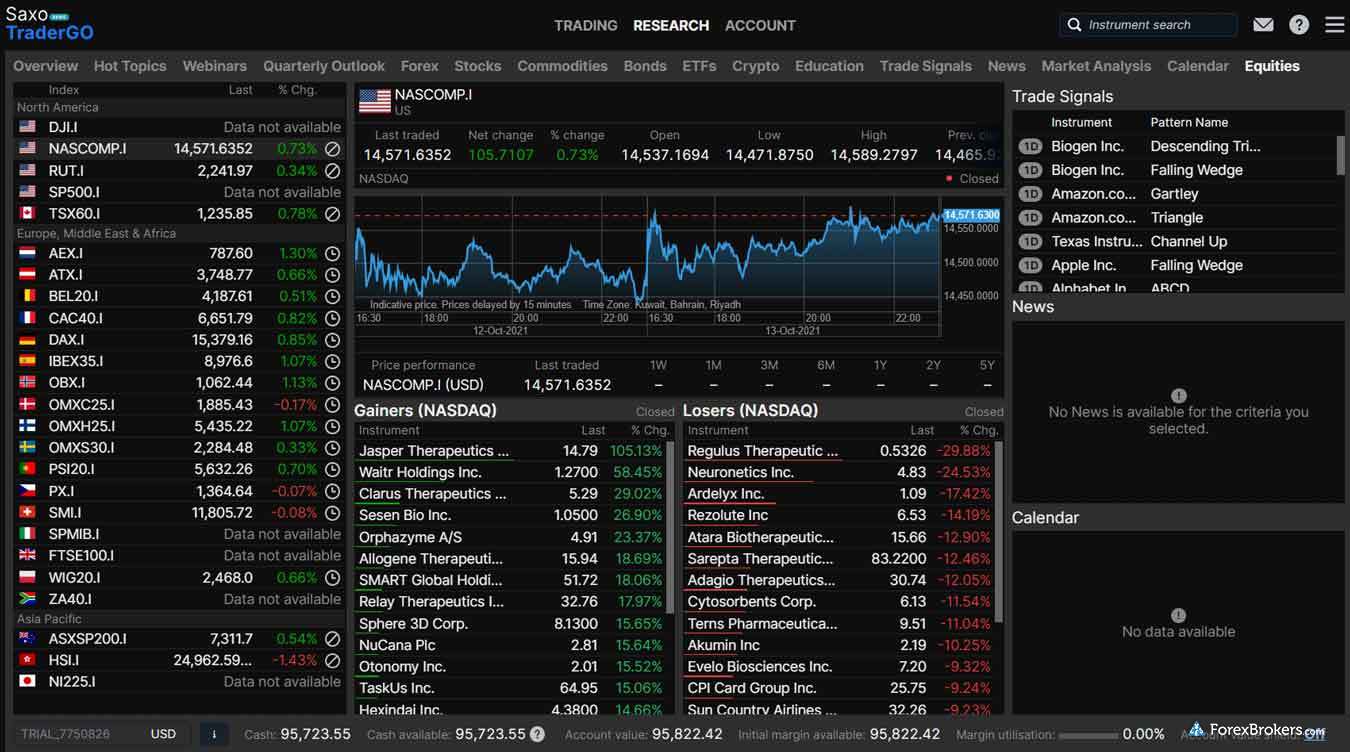
Equities represent ownership shares in companies and remain one of the most widely traded asset classes in financial markets. Investors often follow company earnings, industry developments, and broader economic indicators when making decisions about stock investments. Through CFDs, traders can speculate on stock price movements without directly purchasing the shares.
This approach offers a level of flexibility that traditional stock investing may not always provide. Traders can take positions on individual companies listed on major global exchanges and respond quickly to news events that may influence stock prices. For example, announcements about earnings, leadership changes, or product launches can create opportunities for short-term price movements.
Another advantage is that traders can also speculate on declining share prices by opening sell positions. In traditional investing, benefiting from falling stock prices can be more complex. CFDs allow traders to approach stock markets with a broader range of strategies based on their expectations of future price movements.
Participating in Forex Markets
The foreign exchange market is the largest and most liquid financial market in the world. Every day, currencies are traded in response to economic data, central bank decisions, geopolitical developments, and shifts in global trade. CFDs make it possible for investors to participate in this market by speculating on currency pair movements.
Forex trading through CFDs allows traders to analyse relationships between two currencies, such as the euro and the US dollar or the British pound and the Japanese yen. When a trader expects one currency to strengthen against another, they can open a buy position on that currency pair. If they believe it will weaken, they can open a sell position.
Many investors access currency markets through platforms like ADSS, which provide tools designed to help traders monitor global market activity and execute trades efficiently. The accessibility of forex markets combined with the flexibility of CFDs has made currency trading an important component of many trading strategies.
Exploring Commodity Trading Opportunities
Commodities represent raw materials and natural resources that play a critical role in the global economy. Markets for commodities such as gold, oil, and agricultural products are influenced by factors including supply and demand, weather conditions, geopolitical tensions, and economic growth. CFDs allow traders to speculate on these price movements without owning the physical commodities.
Precious metals like gold often attract attention during times of economic uncertainty because they are viewed by many investors as stores of value. Energy commodities such as crude oil are also closely monitored due to their connection to global industrial activity and transportation.
Read More:Macro Trends Shaping Investment Strategies for Singaporean Traders in 2025
By trading commodity CFDs, investors can respond to shifts in global supply chains or economic conditions without dealing with the logistical challenges associated with storing or transporting physical resources. This simplified access allows traders to focus on market trends and price analysis.
Conclusion
CFD trading has become a valuable tool for investors seeking access to a variety of global financial markets. By allowing traders to speculate on price movements without owning the underlying assets, CFDs create opportunities to engage with equities, forex, and commodities within a single trading framework.
However, success in CFD trading depends on preparation, knowledge, and responsible risk management. Investors who take the time to understand market dynamics and develop structured strategies are better positioned to explore the diverse opportunities offered by modern financial markets while maintaining a balanced and informed approach to trading.